

Learn how today’s aesthetic care is shifting to prevention through skin care, retinoids, lasers, and conservative fillers for natural, refreshed aging.
Learn how today’s aesthetic care is shifting to prevention through skin care, retinoids, lasers, and conservative fillers for natural, refreshed aging.

In clinical practice, digital twins could predict how individual patients respond to treatments based on factors such as genetics, skin barrier function, and lifestyle patterns.
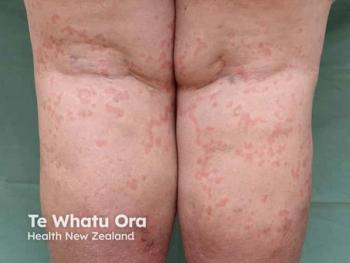
The review emphasizes that psychological stress can influence inflammatory pathways involved in CSU, potentially worsening disease activity.

Jared Gollob, MD, chief medical officer at Kymera Therapeutics, discusses early efficacy signals, the phase 2b study design, and the potential clinical role of KT-621, an oral STAT6 degrader, for moderate to severe atopic dermatitis.
Every week, we cut through the noise to bring clinicians the trial results, approvals, and emerging therapies that are actually moving the needle.
Elizabeth Buzney, MD, explains her approach to monitoring patients with erythropoietic protoporphyria using afamelanotide, including skin surveillance, liver function testing, seasonal treatment decisions, and sun protection counseling.

William Posten, MD, provides an overview of postoperative radiation therapy as a treatment for keloids, including dosing parameters, safety considerations, and insurance reimbursement trends.
Amy Snow, MSPAS, PA-C, speaks about her collaboration with wellness influencer to fight TikTok skin care myths and share diet-smart acne tips for teens.

Younger patients are embracing preventative injectables and skin care; Shawna Jones, PA-C, urges evidence-based, personalized plans to cut through social-media hype.
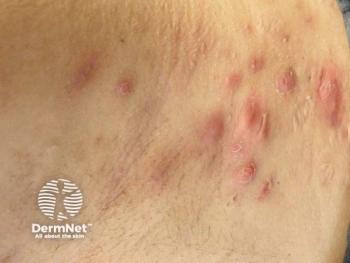
A phase 2 clinical trial found that topical ruxolitinib cream showed promising efficacy and safety in patients with mild to moderate hidradenitis suppurativa.

More than 35% of zasocitinib-treated patients reached complete skin clearance at week 16, with treatment curve separation emerging as early as week 8.

Jared Gollob, MD, chief medical officer at Kymera Therapeutics, reviews phase 1b data for KT-621, an oral STAT6 degrader being evaluated for atopic dermatitis.
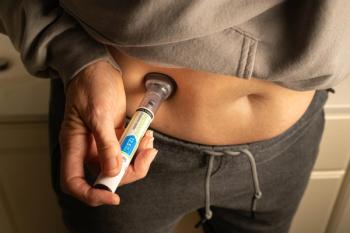
Findings support ongoing pharmacovigilance monitoring of GLP-1 receptor agonists for hair loss, particularly as semaglutide and tirzepatide use continues to expand.
Amy Snow, MSPAS, PA-C's mobile nonprofit brings free acne treatment, education, and hope to underserved teens.

Christopher Bunick, MD, PhD, shares his insights on the FDA approval of bemotrizinol and what the ingredient's properties mean for sun protection and cosmetic elegance.

FDA clears lebrikizumab (EBGLYSS) every-8-week maintenance dosing for moderate to severe atopic dermatitis, reducing maintenance injections to as few as 6 per year.

This review of the latest dermatological studies includes insights on a mobile AI platform for skin disease prescreening, COVID-19 outcomes in PsO patients on biologics, i-PRF) and laser therapy for facial rejuvenation, and more.

Valerie Stern, DMSc, MPAS, PA-C, argues that dermatology conferences offer APPs something CME alone can't — a community that understands the specific professional pressures of the role.

Zoe Diana Draelos, MD, discusses how to clinically distinguish Malassezia folliculitis from acne vulgaris and when to consider antifungal therapy.
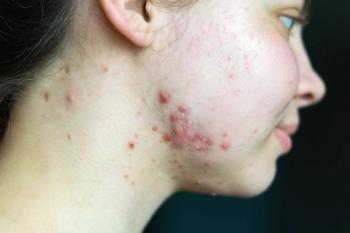
Meta-analysis finds azithromycin pulse therapy matches doxycycline for moderate to severe acne, with fewer GI adverse events and less photosensitivity.
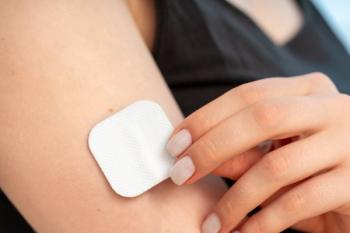
Dual-layer microneedle patch delivers fast itch relief and sustained methotrexate-zinc therapy, improving psoriasis inflammation, immune balance, and infection protection in mice.

The FDA finalized the addition of bemotrizinol to the OTC sunscreen monograph, approving the broad-spectrum UV filter for use at concentrations up to 6% in adults and children 6 months or older.
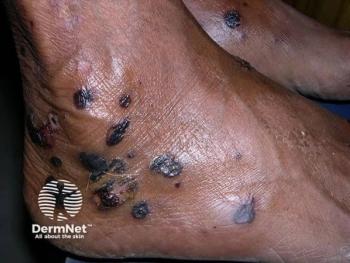
The priority review pathway cuts the standard 300-day Canadian review timeline to approximately 180 days, reflecting Health Canada's assessment of serious unmet need in the EB population.

In clinical medicine and science, robust often fails because it lacks quantifiable meaning.

From case reports to conference presentations, Stern outlines a practical path APPs can follow to build a profile beyond their day-to-day clinical role.

AI analysis of 187,016 menopausal women links hair loss severity to thyroid disease, gut symptoms, scalp inflammation, and genetics, supporting broader diagnostic workups beyond hormones.
William Posten, MD, discusses outcomes, recurrence rates, and the importance of patient adherence in a combined surgical excision and radiation therapy protocol for keloids.

As Epiduo goes OTC, offering once-daily adapalene+BPO for mild to moderate acne, Heather Woolery-Lloyd, MD, FAAD, gives advice on irritation, purging, and simplifying routines.

The June issue of Dermatology Times highlights the latest advances in skin cancer, psoriasis, atopic dermatitis, hidradenitis suppurativa, and emerging dermatology technologies.

Put your dermatology expertise to the test with Dermatology Times’ interactive quiz series.