A retrospective claims analysis of 2897 matched pairs found hazard ratios of 0.48 to 0.67 for new atopic disease with dupilumab vs systemic corticosteroids in children.
New research shows podiatry students struggle to spot psoriasis and eczema on darker skin, exposing dermatology training gaps and driving calls for inclusive teaching.
A new mixed-methods study provides an important and timely examination of diagnostic disparities in dermatology education among other medical specialties. This research focused specifically on pre-registration podiatry students’ ability and confidence in identifying common inflammatory skin conditions across different skin tones.1 Conducted across universities in South-central England, the investigation highlights persistent gaps in training that may contribute to broader health care inequalities affecting patients with skin of color.
Using an explanatory sequential design, the study combined quantitative and qualitative methodologies. In the first phase, 33 final-year podiatry students completed a validated pictorial multiple-choice questionnaire featuring 6 clinical images of either eczema or psoriasis presented across three categories of skin tone based on the Fitzpatrick skin type scale. In the second phase, 22 participants engaged in focus groups to explore their diagnostic reasoning, confidence, and perceptions in greater depth.
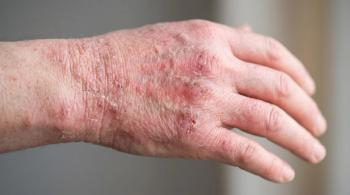
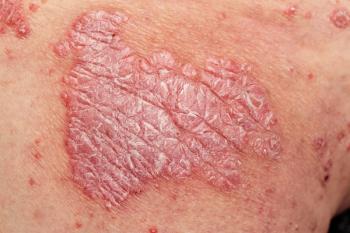
Quantitative findings revealed marked discrepancies in diagnostic accuracy depending on skin tone. Psoriasis was most accurately identified in medium skin tones (69%), followed by light skin tones (48%), but recognition dropped dramatically in darker skin tones to just 3%. In contrast, eczema showed more evenly distributed results, with slightly higher accuracy in darker skin tones (39%) compared with light (30%) and medium (27%) tones. Overall, psoriasis was more frequently identified correctly than eczema (63% vs 48%), though performance varied significantly by skin tone, as classic erythematous and scaly features may appear differently.
Qualitative analysis identified 2 overarching themes: “diagnostic confidence and apprehension” and “limitations in education provision.” Across focus groups, students consistently reported low confidence, particularly when assessing images of darker skin tones. Many described uncertainty, hesitation, and reliance on guessing, especially when lesions did not match the “classic” presentations they had been taught—typically based on lighter skin. Participants noted difficulty distinguishing between pathological changes and normal pigmentation, often expressing anxiety about misinterpretation. This lack of confidence occasionally extended beyond darker skin tones, with some students questioning their overall diagnostic competence.
A key contributing factor was limited dermatological knowledge contextualized for diverse populations. Students frequently relied on simplified heuristics, such as “redness” or “scaliness,” without fully understanding their pathophysiological basis. This approach proved inadequate when evaluating darker skin, where erythema may present as violaceous, brown, or grey tones rather than bright red. Personal experience with skin disease, either directly or through family members, was reported to enhance diagnostic confidence, suggesting that exposure plays a crucial role in learning.
Additionally, educational limitations highlighted systemic shortcomings in curriculum design and clinical training. Students overwhelmingly reported underrepresentation of darker skin tones in teaching materials, including textbooks, lecture slides, and online resources. Many described a “light skin lens” through which dermatology is taught, reinforcing a narrow diagnostic framework. This lack of diversity extended to clinical placements, where exposure to patients with darker skin tones was often limited.
Students also perceived gaps in educators’ knowledge and confidence regarding dermatologic conditions in diverse populations. Some attributed this to a cyclical issue, whereby educators themselves were trained using non-diverse curricula. As a result, students felt inadequately supported when seeking guidance on diagnosing conditions in skin of color. Additionally, dermatology was often deprioritized in clinical settings, with greater emphasis placed on wounds or infections rather than comprehensive skin assessment.
The study situates these findings within a broader context of health care disparities. Difficulty in recognizing dermatologic conditions in darker skin tones has been associated with delayed diagnosis, mismanagement, and worse clinical outcomes, including increased morbidity and mortality.2 The authors noted that such disparities are compounded by underrepresentation in research, educational resources, and clinical imagery. Importantly, the study identifies actionable opportunities for improvement:
References
1. Otter S, Funnell F, Sykes A, Ewins-Strowger K, Hemming N, Whitham D. 'I Didn't Know, I Definitely Guessed.' Exploring Pre-Registration Podiatry Students' Approach to Identifying Dermatological Conditions in Different Skin Tones, a Mixed Methods Study. J Foot Ankle Res. 2026;19(2):e70144. doi:10.1002/jfa2.70144
2. Egede LE. Race, ethnicity, culture, and disparities in health care. J Gen Intern Med. 2006;21(6):667-669. doi:10.1111/j.1525-1497.2006.0512.x