



Rare Disease
Latest News
Advertisement
Latest Videos





Shorts

0:35
Afamelanotide That Boosts Skin Photoprotection
5 days ago
by
Elizabeth Buzney, MD

0:43
Why Rare Diseases Like EPP Are Frequently Misdiagnosed
12 days ago
by
Elizabeth Buzney, MD

0:37
Severe Pain With No Visible Signs: Erythropoietic Protoporphyria Insights
24 days ago
by
Elizabeth Buzney, MD

1:08
Why LPP and Cicatricial Alopecias are Trichologic Emergencies
2 months ago
by
Kristen Lo Sicco, MD

0:51
A Breakthrough in Systemic Mastocytosis Treatment
2 months ago
by
Lauren Madigan, MD

1:00
The Emotional Toll of Misdiagnosis
4 months ago
by
Renata Block, DMSc, MMS, PA-C(+1 more)

0:36
How Dermatologists Can Solve the Cutaneous Sarcoidosis Puzzle
4 months ago
by
Misha Rosenbach, MD

0:54
EB Simplex: Not a 'Simple' Disease
5 months ago
by
Karen M. McGuire, PhD
CME Content









Advertisement
More News
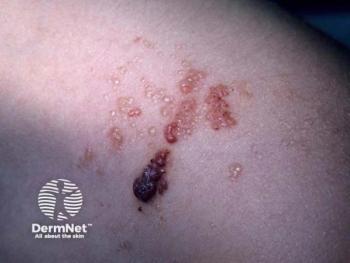
Phase 3 SELVA and phase 2 TOIVA data show Qtorin rapamycin met primary end points for microcystic lymphatic and cutaneous venous malformations.
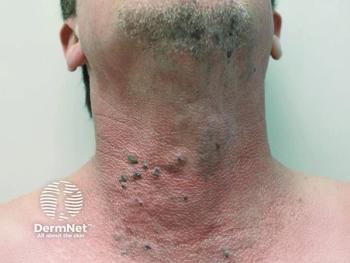
Phase 2 TOIVA data show Palvella's QTORIN rapamycin reduces bleeding and improves quality of life in cutaneous venous malformations, addressing an unmet treatment need.

Dermatology Times' editor in chief highlights essential late-breaker data from AAD 2026, including upadacitinib, rezpegaldesleukin, icotrokinra, zasocitinib, envudeucitinib, sonelokimab, and more.
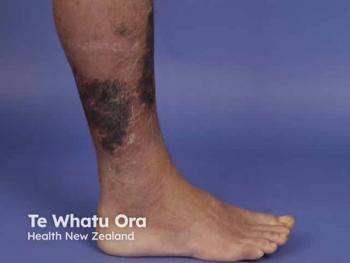
The case underscores that classic imaging hallmarks of necrotizing fasciitis are frequently absent in early-stage disease, making a high index of clinical suspicion essential for front-line providers.
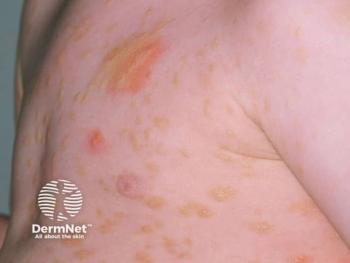
Even nonadvanced forms of systemic mastocytosis can significantly impact patients’ quality of life, though new treatments are improving outcomes.
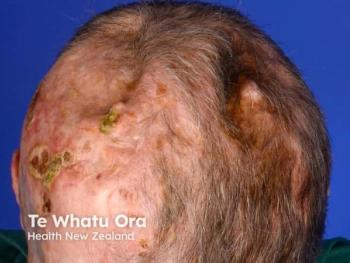
Medicus seeks FDA orphan drug status for SkinJect, a dissolvable microneedle doxorubicin patch targeting Gorlin-related basal cell carcinomas, aiming to reduce the need for repeated surgery.
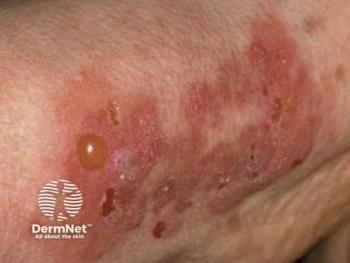
A new case-control study found that patients with pemphigus vulgaris and bullous pemphigoid face more than twice the odds of comorbid acute stress disorder compared with matched controls.
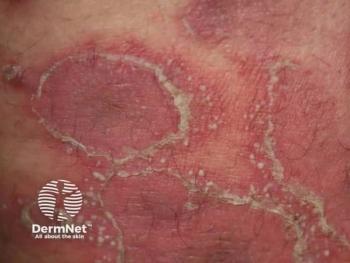
LEO Pharma shared 2 posters with data from the ongoing EFFISAYIL ON program, supporting long-term use of spesolimab for generalized pustular psoriasis.
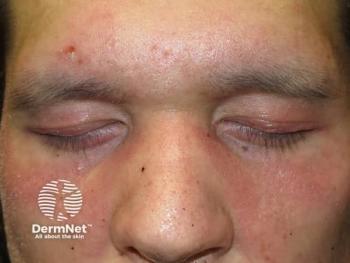
The FDA has granted Priority Review to brepocitinib's NDA for dermatomyositis, with a Q3 2026 PDUFA date that could make it the first drug specifically approved for this indication.

This portion of the AMETHYST trial is the second successful phase 2 study of litifilimab, an investigational monoclonal antibody for CLE.

In a patient with longstanding Hailey-Hailey disease, lebrikizumab was associated with rapid improvement in symptoms and quality of life.
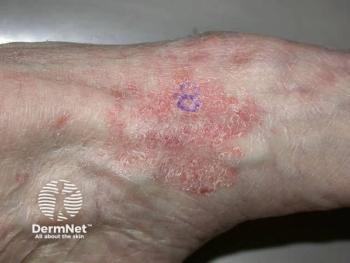
A multicenter trial in China shows ALA-PDT clears Bowen’s disease in 97% with low recurrence, minimal scarring, and high patient satisfaction.

February highlights rare genetic skin diseases, shifting dermatology from supportive care to molecularly targeted therapies.

FDA Fast Track boosts hopes for QRX003 lotion in Netherton Syndrome, with early trials showing rapid skin healing and itch relief.

A combined group of ophthalmology and dermatology specialists traveled to communities in Nepal to conduct consultations, procedures, and teaching sessions, and specifically in dermatology, skin malignancy removals, trainings on biologics and JAKs, and melanoma detection demonstrations.
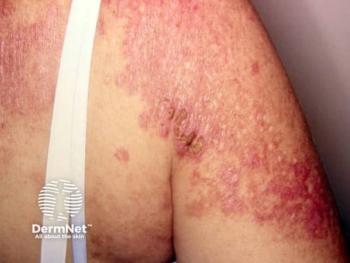
Priovant Therapeutics' brepocitinib has been assigned a Prescription Drug User Fee Act date in the third quarter of 2026.

After TMB-001 did not meet its primary end point in the ASCEND trial, LEO Pharma moved to out-license the vehicle formulation, which unexpectedly provided a response in 40% of patients.

The FDA has assigned a Prescription Drug User Fee Act target action date of December 12, 2026.
In the latest Cutaneous Connection podcast episode, Renata Block, DMSc, MMS, PA-C, and patient advocate Suki Tipp discuss the clinical, emotional, and financial toll of delayed diagnosis of indolent systemic mastocytosis.

Around 800 rare skin diseases affect 6.8 million people worldwide, including epidermolysis bullosa, generalized pustular psoriasis, ichthyosis, and erythropoietic protoporphyria.

Misha Rosenbach, MD, discussed the burden of cutaneous sarcoidosis (CS) and how emerging therapies like brepocitinib could fill this clinical need.

LILAC data shows litifilimab rapidly improves CLE skin scores, fueling AMETHYST phase 3 and supporting FDA breakthrough for cutaneous lupus patients.

Victoria Werth, MD, highlights CLE treatment gaps and how BDCA2-targeting litifilimab may quickly curb interferon-driven skin disease with less toxicity.
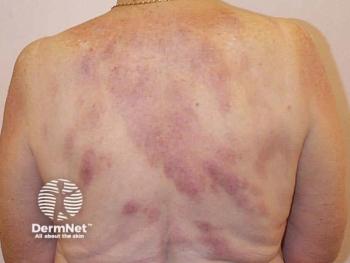
Phase 2 BEACON study shows brepocitinib rapidly clears cutaneous sarcoidosis lesions with strong CSAMI gains and tolerability, as Priovant readies phase 3 program.
The FDA’s decision was based on litifilimab’s phase 2 skin disease activity data.
Advertisement
Advertisement
Trending on Dermatology Times
1
Once-Daily Zasocitinib Rivals Injectable Biologics for Skin Clearance, Phase 3 Data Show
2
FDA Accepts Addition of Bemotrizinol as First New Sunscreen Ingredient in 20 Years
3
Filling the HS Treatment Gap: Ruxolitinib Targets Early-Stage Disease
4
Oral STAT6 Degrader KT-621 Shows Biologic-Comparable Activity in Atopic Dermatitis
5