
Jared Gollob, MD, chief medical officer at Kymera Therapeutics, discusses early efficacy signals, the phase 2b study design, and the potential clinical role of KT-621, an oral STAT6 degrader, for moderate to severe atopic dermatitis.

Kaitlyn Bader is the assistant managing editor of Dermatology Times® and joined the MJH Life Sciences team in June 2022. She attended Otterbein University in Westerville, Ohio, and earned a Bachelor of Arts degree in literary studies. Prior to health care news, Kaitlyn worked in digital marketing. She enjoys cooking, reading, and tending to her house plants.
You can reach her at [email protected].
Jared Gollob, MD, chief medical officer at Kymera Therapeutics, discusses early efficacy signals, the phase 2b study design, and the potential clinical role of KT-621, an oral STAT6 degrader, for moderate to severe atopic dermatitis.

Elizabeth Buzney, MD, explains her approach to monitoring patients with erythropoietic protoporphyria using afamelanotide, including skin surveillance, liver function testing, seasonal treatment decisions, and sun protection counseling.

William Posten, MD, provides an overview of postoperative radiation therapy as a treatment for keloids, including dosing parameters, safety considerations, and insurance reimbursement trends.

Jared Gollob, MD, chief medical officer at Kymera Therapeutics, reviews phase 1b data for KT-621, an oral STAT6 degrader being evaluated for atopic dermatitis.

Christopher Bunick, MD, PhD, shares his insights on the FDA approval of bemotrizinol and what the ingredient's properties mean for sun protection and cosmetic elegance.

Zoe Diana Draelos, MD, discusses how to clinically distinguish Malassezia folliculitis from acne vulgaris and when to consider antifungal therapy.

The FDA finalized the addition of bemotrizinol to the OTC sunscreen monograph, approving the broad-spectrum UV filter for use at concentrations up to 6% in adults and children 6 months or older.
William Posten, MD, discusses outcomes, recurrence rates, and the importance of patient adherence in a combined surgical excision and radiation therapy protocol for keloids.
Elizabeth Buzney, MD, provides an overview of the mechanism of action, administration protocol, and clinical safety profile of afamelanotide for erythropoietic protoporphyria.

Lakshi M. Aldredge, MSN, ANP-BC, DCNP, discusses late-breaking data preseneted at SDNP on novel immune-mediated therapies for atopic dermatitis, alopecia areata, and hidradenitis suppurativa.

Deborah Sarnoff, MD, president of the Skin Cancer Foundation, discusses actinic keratosis detection, treatment, and clinician resources provided by the Skin Cancer Foundation.

Zoe Diana Draelos, MD, FAAD, discussed the clinical rationale for incorporating plant adaptogen-based skin care into rosacea management, including how an OTC serum performed alongside prescription therapies.
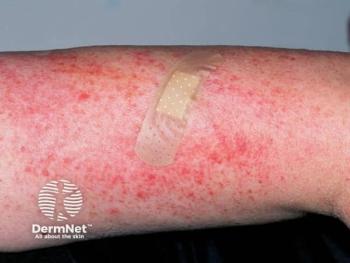
Phase 1/2 data from RESET-Myositis, RESET-SSc, and RESET-SLE presented at EULAR 2026 show durable immunomodulator-free responses and a consistent safety profile across indications.

Jared Gollob, MD, discusses phase 1b biomarker findings for KT-621, a STAT6 degrader in atopic dermatitis, presented at SID 2026.
Miriam Pomerantz Kadosh, MSW, LCSW, director of education and patient engagement at the Melanoma Research Foundation, outlines free resources available to dermatology practices and communities.
Deborah Sarnoff, MD, president of the Skin Cancer Foundation, shares the importance of the "Hats On for AK" social media campaign designed to bring awareness to sun protection and reducing actinic keratosis risk.

William Posten, MD, discusses the evolution of keloid treatment and the clinical outcomes he has observed with excision followed by immediate radiation therapy.
Elizabeth Buzney, MD, discusses the key reasons erythropoietic protoporphyria is frequently misdiagnosed and the consequences of prolonged diagnostic delay.
Deborah Sarnoff, MD, president of the Skin Cancer Foundation, discusses recognizing actinic keratosis, clinical indicators for biopsy, and strategies for counseling patients on cumulative sun damage in response to AK Awareness Day.

Albert Chiou, MD, MBA, reviews updates presented at SID 2026 on phase 1 data showing soquelitinib activity in prior systemic therapy failures, with a well-balanced adverse event profile vs placebo.
Neal Bhatia, MD, describes a protocol spanning antihistamine pretreatment, in-room talk anesthesia, and post-procedure skin care to improve tolerability of photodynamic therapy.

Maryanne Makredes Senna, MD, reviews early-onset efficacy, favorable tolerability, and high rates of patient-reported improvement associated with extended-release oral minoxidil data.

The fixed-dose adapalene 0.1% and benzoyl peroxide 2.5% topical OTC gel broadens nonprescription access to a combination topical regimen that has been used as a prescription product for more than 15 years.
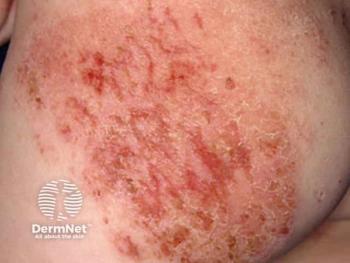
Phase 3 data presented at AAD 2026 showed that amlitelimab significantly improved skin clearance and disease severity in patients aged 12 years and older with moderate to severe atopic dermatitis.
Elizabeth Buzney, MD, outlines the clinical hallmarks that separate erythropoietic protoporphyria from other photosensitivity disorders, starting with what clinicians won't see on exam.
Albert Chiou, MD, MBA, discusses results from the phase 1 trial of soquelitinib for moderate to severe AD presented at SID 2026.
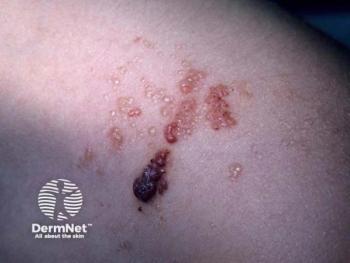
Phase 3 SELVA and phase 2 TOIVA data show Qtorin rapamycin met primary end points for microcystic lymphatic and cutaneous venous malformations.
Neal Bhatia, MD, outlines the clinical rationale for incorporating photodynamic therapy into skin cancer treatment algorithms, from field cancerization management to emerging applications in superficial basal cell carcinoma.

Maryanne Makredes Senna, MD, shares why mineral sunscreens matter for patients with frontal fibrosing alopecia, and why reprimanding sun-seekers may be more detrimental to patient care.
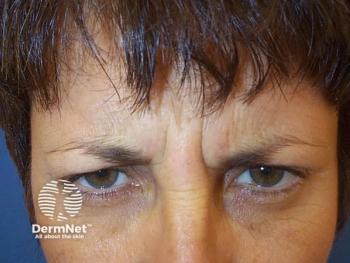
Data presented at SCALE 2026 showed that Ipsen’s investigational recombinant neuroinhibitor achieved significant and sustained improvement in moderate to severe glabellar lines.

November 20th 2025

October 23rd 2024