






Skin Cancer
Latest News

Advertisement
Latest Videos

Shorts

0:45
Showing Patients Evidence of Sun Damage
12 hours ago
by
Deborah S. Sarnoff, MD
1:00
Resources for Clinicians From the Melanoma Research Foundation
7 days ago
by
Miriam Pomerantz Kadosh, MSW, LCSW

1:00
Stop Calling Them Side Effects: Pro-Tips for Photodynamic Therapy
11 days ago
by
Neal Bhatia, MD
1:11
Celebrating National Sunscreen Day 2026
13 days ago
by
Whitney Hovenic, MD
1:00
Red Light vs Blue Light for sBCC: What the Data Says
a month ago
by
Todd Schlesinger, MD, FAAD, FASMS

1:00
Why Patients May Prefer PDT Over Surgery For sBCC
a month ago
by
Neal Bhatia, MD

1:13
Why It's Not Too Late to Prevent Skin Cancer
a month ago
by
Daniel Condie, MD

1:00
Solving Systemic Side Effects in Cancer Treatment With PH762
a month ago
by
Mary C. Spellman, MD
0:45
26 Million People Gain Access to Innovative Skin Therapy
2 months ago
by
Christopher G. Bunick, MD, PhD(+1 more)
0:34
The Changing Outlook on Metastatic Melanoma
2 months ago
by
Darrell Rigel, MD, MS
CME Content





Advertisement
More News
Clinicians discuss how melanoma gene expression profiling guides sentinel node biopsy choices, refines early-stage risk, and shapes personalized surveillance and oncology referral.

Australian multicenter data shows older head and neck squamous cell carcinoma patients often miss standard radiotherapy-plus-chemo, yet guideline care boosts survival.
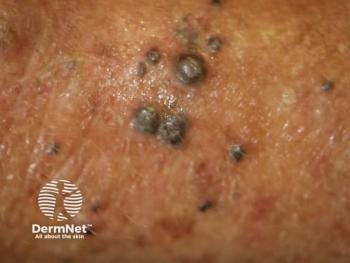
A phase 1/2 trial enrolling patients with refractory melanoma is now actively recruiting.
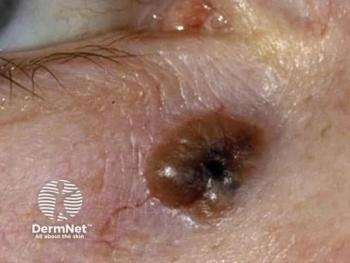
The high-dose D-MNA cohort showed continued improvement from Day 29 to Day 57, a trajectory not observed in the device-only control arm, supporting a drug-driven mechanism of action.

Daniel Condie, MD, shares kid-friendly sun safety tips, tanning bed warnings, and early skin cancer detection advice that clinicians can share with families and teens.
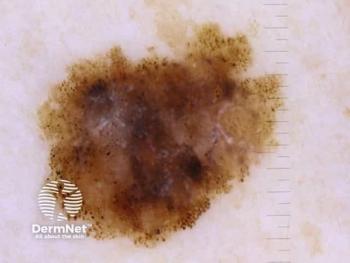
MRA commits a record $18.4M to global melanoma research, boosting rare-subtype collaboration, biorepositories, biomarkers, and next-gen therapies to combat rising cases.

Daniel Condie, MD, debunks common Gen Z tanning myths, warns base tans and sunscreen fears fuel early skin cancer, and explains Mohs care challenges.
Melanoma Monday 2026: Rising Incidence Meets New Innovations in Prevention, Detection, and Treatment
As Melanoma Monday kicks off May's Skin Cancer Awareness Month, we're spotlighting the latest emerging data, evolving tools, and public health initiatives for clinicians.
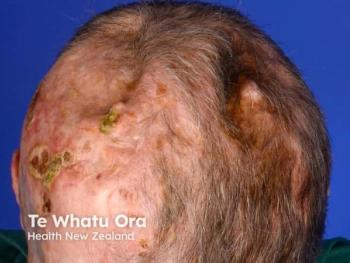
Medicus seeks FDA orphan drug status for SkinJect, a dissolvable microneedle doxorubicin patch targeting Gorlin-related basal cell carcinomas, aiming to reduce the need for repeated surgery.
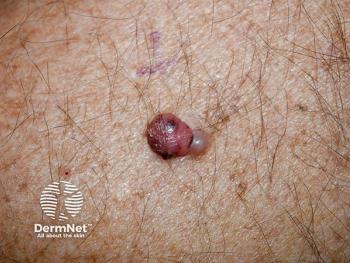

Many participants in the mobile screening program have never previously seen a dermatologist.

New studies suggest tattoo pigments migrate to lymph nodes, complicate skin exams, and may raise lymphoma risk—what dermatologists now watch for.
The newly published tool, ODD-SPOT, offers a plain-language, photo-supported alternative to the ABCDE criteria, designed to capture the key warning signs of BCC, SCC, and melanoma in accessible terms.
At AAD 2026, Todd Schlesinger, MD, highlighted how staging frameworks and clinicopathologic features can inform treatment decisions in nonmelanoma skin cancer.
New sunscreen filters, AI tools, and immunotherapies are reshaping skin cancer prevention and treatment, improving precision and long-term survival.

During the late-breaking research session at the 2026 AAD Annual Meeting 2026, Mary Spellman, MD, shared successful news about intratumoral PH762 for cutaneous carcinomas.
Melanoma cases keep rising, but AI-aided screening, gene profiling, and newer immunotherapies boost early diagnosis and long-term survival, according to Darrell Rigel, MD, MS.

New case-control study data link tattoo exposure to a higher melanoma risk, prompting fresh scrutiny of ink chemicals and long-term skin safety.

Women Leaders in Mohs Micrographic Surgery: Progress and Pathways Forward
Published: | Updated:
Although the number of women leaders in Mohs surgery has increased, significant gender disparities remain in leadership roles, productivity metrics, and speaking opportunities.
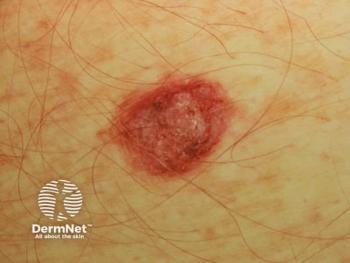
Recent reviews highlight that melanoma risk associated with occupational UV exposure varies by tumor subtype, anatomical site, and individual susceptibility.
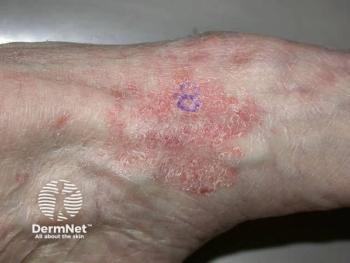
A multicenter trial in China shows ALA-PDT clears Bowen’s disease in 97% with low recurrence, minimal scarring, and high patient satisfaction.
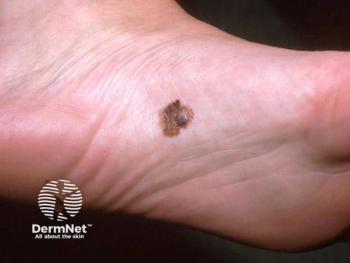
A newly defined Nodularity Index, measuring tumor depth relative to width, independently predicted melanoma-specific survival.
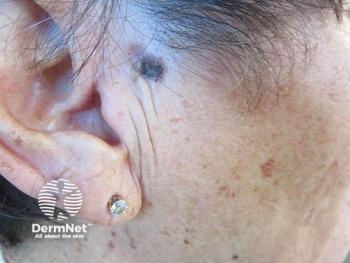
Clearance rates increased between days 29 and 57, with the highest activity observed in the 200-μg treatment group.

A combined group of ophthalmology and dermatology specialists traveled to communities in Nepal to conduct consultations, procedures, and teaching sessions, and specifically in dermatology, skin malignancy removals, trainings on biologics and JAKs, and melanoma detection demonstrations.
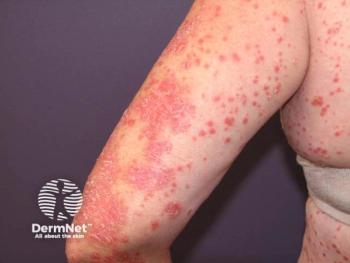
Skin adverse events linked to immunotherapy may correlate with improved tumor response and survival, underlining their clinical significance.
Advertisement
Advertisement
Trending on Dermatology Times
1
FDA Accepts Addition of Bemotrizinol as First New Sunscreen Ingredient in 20 Years
2
AI Analysis Reveals Menopausal Hair Loss Linked to Systemic Health and Inflammation
3
Sun, Science, and Skin: Dermatology's Biggest Spotlights This June
4
Novel Botanical Moisturizer Demonstrates Superior Efficacy Over Metronidazole in Phase 2 Rosacea Trial
5