


Treatments for Plaque Psoriasis
Latest News
Advertisement
Video Series
Latest Videos


CME Content












Advertisement
More News

Considerations for the psychological and social impact that plaque psoriasis may have on a patient.
Panelists look deeper into the possible challenges or barriers to making an accurate diagnosis of plaque psoriasis

A study in the Journal of the American Academy of Dermatology examined the incidence of psoriasis according to body mass index.

A recent study investigated apremilast use for psoriasis during COVID-19 infection.
Shared insight on identifying clinical manifestations of plaque psoriasis and making a timely diagnosis.
A panel of experts review the nature of plaque psoriasis and the mechanism of action of several classes of targeted therapy.

The New England Journal of Medicine has published the clinical trial data from the PSOARING 1 and PSOARING 2 studies on tapinarof treatment for plaque psoriasis.
Mark G. Lebwohl, MD, presents on what dermatologists need to know about the newest psoriasis studies during the Fall Clinical Dermatology Conference.

A study published in the Journal of Dermatological Treatment shows guselkumab may be more effective in heavier patients with moderate to severe plaque psoriasis vs secukinumab.
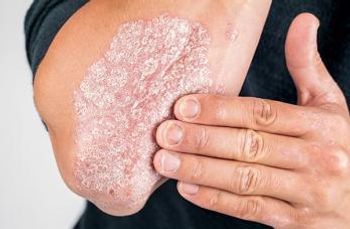
Tremfya phase 3 data shows skin clearance rates were maintained at 5 years with 55.5% of patients achieving an IGA score of 0% and 53% achieving PASI 100 response in VOYAGE 2 trial.

Risankizumab (SKYRIZI, AbbVie), outperformed secukinumab (Cosentyx, Novartis) in a head-to-head phase 3 study comparing the two treatments in adult patients with moderate to severe plaque psoriasis, according to data released by the company Jan. 14.

Newly published results from a phase 3 study demonstrate the superiority of bimekizumab over adalimumab for plaque psoriasis.

Psoriasis often has a greater impact on quality of life in patients with skin of color as the condition and its treatment can result in long-lasting pigmentary changes.
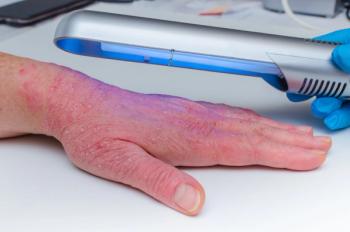
The 2019 joint American Academy of Dermatology and National Psoriasis Foundation phototherapy treatment of psoriasis guidelines comprehensively updates dermatologists and other providers on the state-of-the art use of various light modalities to treat psoriasis patients.

Oral health, habits and diet may influence disease severity in psoriasis, says a study published in the Dermatology Online Journal.

A recent study examined whether gluten intake in adulthood increases the risk of developing psoriasis, psoriatic arthritis, and atopic dermatitis.

Weight-based dosing of apremilast appeared to ensure comparable efficacy, safety and tolerability with in kids as in adults, and should be explored in future studies.

Study shows measurement of early ustekinumab levels could be used to direct treatment strategy in psoriasis.

Researchers in Taiwan investigated whether behavioral modifications such as weight reduction, alcohol abstinence, smoking cessation and exercise could impact psoriasis severity. Read what they discovered in this article.

Discover key takeaways from the American Academy of Dermatology and National Psoriasis Foundation joint guidelines for the management and treatment of psoriasis with phototherapy published in the September issue of the Journal of American Academy of Dermatology.

About one-third of patients with psoriasis are children or adolescents. Still, little research exists on treating this patient population. New disease management guidelines and emerging studies seek to fill the gap.
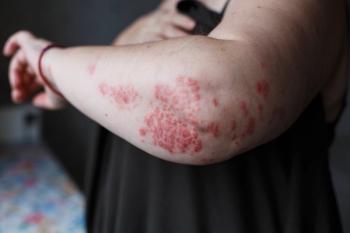
There are more treatment options for psoriasis patients than ever before, so why do patient reported outcomes still suggest failure to meet patient expectations? Experts from the International Psoriasis Council (IPC) highlight factors that could be causing the perceived disparity between psoriasis treatment and patient satisfaction.

Do you recommend psychotherapy to your psoriasis patients? While there is a well-established connection between psoriasis and mental health, there is little data available on the impact of psychological interventions on psoriasis. These study authors look to fill that gap.

Psoriasis patients with skin of color experience psoriasis differently, often reporting worse health related quality of life outcomes compared to their Caucasian peers. Brodalumab may help, suggests a recent study.
Advertisement
Advertisement
Trending on Dermatology Times
1
Transformative Advances This Year and Beyond
2
FDA Proposes Expansion of US Sunscreen Ingredient Standards with Bemotrizinol
3
Phase 3b Study Confirms Ligelizumab’s Consistent CSU Control
4
The SkinCARE Questionnaire: Assessing the Psychological Dimensions of Skin Health Beyond Disease
5
