

Opinion|Videos|February 11, 2025
Pathophysiology and Role of Type 2 Inflammation in Pediatric Atopic Dermatitis
Panelists discuss the pathophysiology of atopic dermatitis, highlighting the role of type 2 inflammation in driving the disease process and explaining how this inflammation contributes to the characteristic itch-scratch cycle seen in affected individuals.
Advertisement
Episodes in this series


Video content above is prompted by the following:
- Discuss the pathophysiology of atopic dermatitis. What role does type 2 inflammation play in the disease process?
- How does type 2 inflammation lead to the characteristic itch-scratch cycle seen in atopic dermatitis?
Advertisement
Related to this article
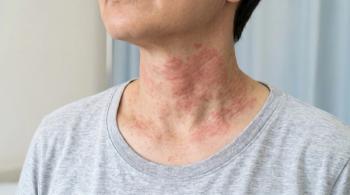
Upadacitinib showed broader inflammatory effects and earlier skin barrier restoration than dupilumab in atopic dermatitis.
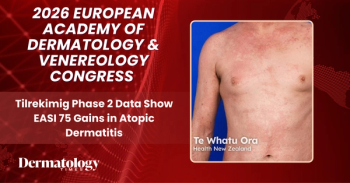
According to data presented at EADV, at week 16 of the phase 2 study, 47.8% to 62.5% of adults receiving tilrekimig achieved EASI 75 across doses, compared with 9.1% to 19.9% with placebo.
A new report from the National Eczema Association (NEA) found systemic corticosteroids were filled more often than dupilumab, and 13% of Americans live in counties without a dermatology or allergy/immunology practitioner.
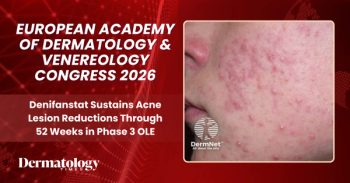
Treatment success reached 56.7% and total lesions fell 71.8% with up to 52 weeks of oral denifanstat, with no adverse event-related discontinuations.
Up to 91% of patients reached EASI-75 and up to 67% reached IGA 0/1 at week 152, with no new safety signals, according to Galderma's EADV 2026 data.
Presented as a late breaker at EADV 2026, mid-dose zumilokibart achieved EASI-75 in 65.9% of adults with atopic dermatitis vs 23.4% with placebo at week 16.
EADV 2026 data highlight dupilumab’s effects on growth, quality of life, disease control, and itch across multiple dermatologic diseases.

The FDA approved therapies for melanoma, dermatomyositis, superficial basal cell carcinoma, and adolescent alopecia areata, while TYK2 inhibitors and rare disease filings advanced toward 2027 decisions.
Advertisement
Advertisement
Trending on Dermatology Times
1
FDA Approves Remibrutinib for Symptomatic Dermographism
2
Abrocitinib Reduces Pathogenic Skin-Resident Memory T Cells in Atopic Dermatitis
3
Personalized Prescription Skin Care: Curology’s Whitney Tolpinrud, MD, on the Evolution of Virtual Dermatology
4
Previewing the 2026 Fall Clinical Dermatology Conference
5