

Dermatologists tailor seborrheic dermatitis care with shared decisions, steroid-sparing options, combo therapy, and flare-ready expectations.
Benjamin Ungar, MD, is an assistant professor at the Icahn School of Medicine at Mount Sinai and director of the Rosacea and Seborrheic Dermatitis Clinic.
Dermatologists tailor seborrheic dermatitis care with shared decisions, steroid-sparing options, combo therapy, and flare-ready expectations.
Dermatologists weigh rifamylast, JAK inhibitors and antifungals for long-term seborrheic dermatitis control, balancing efficacy, safety and access.
New rifamilast 0.3% foam shows fast, sustained seborrheic dermatitis clearing with high tolerability—plus tips for long-term maintenance.
Discover how rifamylast foam, a new FDA-approved PDE4 inhibitor, offers steroid-free relief for seborrheic dermatitis—calms itch, face-safe.
Discover how FDA-approved rifamylast foam targets PDE4 to calm seborrheic dermatitis—face-safe, steroid-free relief for itch and redness.
Rethink seborrheic dermatitis care: limit facial steroids, use antifungals wisely, and watch emerging barrier-safe targeted therapies.
Early seborrheic dermatitis treatment reduces inflammation, prevents worsening, and boosts quality of life; experts explain pediatric vs adult goals and mask-triggered flares.
This episode, titled Seborrheic Dermatitis Across Skin Tones and Long-Term Disease Burden, features dermatology experts discussing the following critical questions: How might presentation of SD differ in various skin tones? What challenges do you encounter when diagnosing SD in patients with skin color? In your experience, what long-term complications arise when SD is inadequately treated or remains uncontrolled over time?
Seborrheic dermatitis varies by age, affects scalp and face, drives itching and stigma, and lowers quality of life—highlighting newer targeted treatments.
Experts discuss how seborrheic dermatitis can be distinguished from atopic dermatitis and psoriasis through clinical features and underlying immune patterns, highlighting the role of Th17/Th22-driven inflammation and barrier dysfunction in guiding more precise, targeted treatment strategies.
Experts discuss how seborrheic dermatitis arises from a multifactorial interplay of immune dysregulation, Malassezia yeast colonization, epidermal barrier impairment, and sebaceous gland activity, shaping its chronic nature and informing targeted treatment approaches.
At South Beach Symposium 2026, Benjamin Ungar, MD, discussed safer, long-term approaches for seborrheic dermatitis.
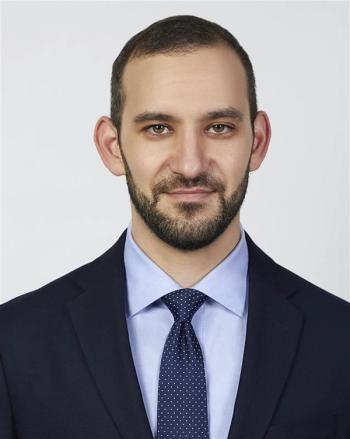
Benjamin Ungar, MD, shares groundbreaking insights on seborrheic dermatitis and emerging treatments in dermatology at ISDS 2025.
February 7th 2026