


Opinion|Videos|March 16, 2026
Comparing Mechanisms and Use of Antifungals and PDE-4 Inhibitors
Discover how rifamylast foam, a new FDA-approved PDE4 inhibitor, offers steroid-free relief for seborrheic dermatitis—calms itch, face-safe.
Advertisement
Episodes in this series

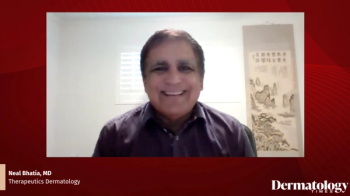
In this episode, Comparing Mechanisms and Use of Antifungals and PDE-4 Inhibitors, the panelists explore the following question:
PDE-4 inhibitors and antifungals are both used in the management of seborrheic dermatitis. How does the mechanism of action of antifungal therapies, such as ketoconazole, differ from that of PDE-4 inhibitors, such as roflumilast, and how do formulation and vehicle characteristics influence their clinical use in SD?
The dermatologists examined antifungal therapies, such as ketoconazole, primarily targeting the Malassezia yeast that colonizes seborrheic areas, reducing fungal load and indirectly decreasing the inflammatory response triggered by microbial metabolites. In contrast, PDE-4 inhibitors, like roflumilast, act directly on the immune system by increasing intracellular cyclic adenosine monophosphate (cAMP), which suppresses pro-inflammatory cytokine production and modulates key pathways involved in chronic inflammation. While antifungals address one of the initiating triggers of seborrheic dermatitis, PDE-4 inhibitors focus on controlling the downstream inflammatory response, making them complementary treatment approaches. Formulation and vehicle characteristics significantly impact clinical use, as they influence drug penetration, tolerability, and patient adherence. Creams, gels, or foams may be selected based on affected area, skin type, and patient preference, with lighter vehicles often preferred for the face or scalp. The ability to apply treatments comfortably and consistently is particularly important for long-term management and flare prevention. Combining therapies that target both microbial and inflammatory mechanisms can optimize disease control. Overall, understanding these differences helps clinicians individualize therapy to address both the cause and the consequences of SD.
Throughout the conversation, the experts provide a comprehensive reflection on the field and the factors that may shape how clinicians approach care moving forward.
The next episode in this series, Roflumilast Foam 0.3% in Seborrheic Dermatitis: Clinical Trials and Long-Term Outcomes, features the panelists advancing their conversation and focusing on Roflumilast foam 0.3%, which was recently FDA-approved for adolescents and adults with seborrheic dermatitis, following evidence from phase 2 open-label extension and phase 3 STRATUM trials that included patients with moderate-to-severe disease. Clinical data demonstrate rapid and sustained efficacy, alongside a favorable long-term safety and tolerability profile consistent with real-world clinical experience.
Advertisement
Related Content
Advertisement

Latest CME







Advertisement
Advertisement
Trending on Dermatology Times
1
FDA Accepts Addition of Bemotrizinol as First New Sunscreen Ingredient in 20 Years
2
Digital Twins in Dermatology: Your Patient’s Virtual Double Is Coming
3
Once-Daily Zasocitinib Rivals Injectable Biologics for Skin Clearance, Phase 3 Data Show
4
Moving Past Dermal Filler Trends to Focus on Healthy Skin Aging
5