


Opinion|Videos|March 16, 2026
Non-Steroidal Therapies and Targeted Inflammation in Seborrheic Dermatitis
Discover how FDA-approved rifamylast foam targets PDE4 to calm seborrheic dermatitis—face-safe, steroid-free relief for itch and redness.
Advertisement
Episodes in this series

This episode, titled Non-Steroidal Therapies and Targeted Inflammation in Seborrheic Dermatitis, features dermatologists discussing the following critical questions:
How do non-steroidal therapies fit into the evolving treatment paradigm for SD particularly in addressing chronic inflammation and long-term management needs?
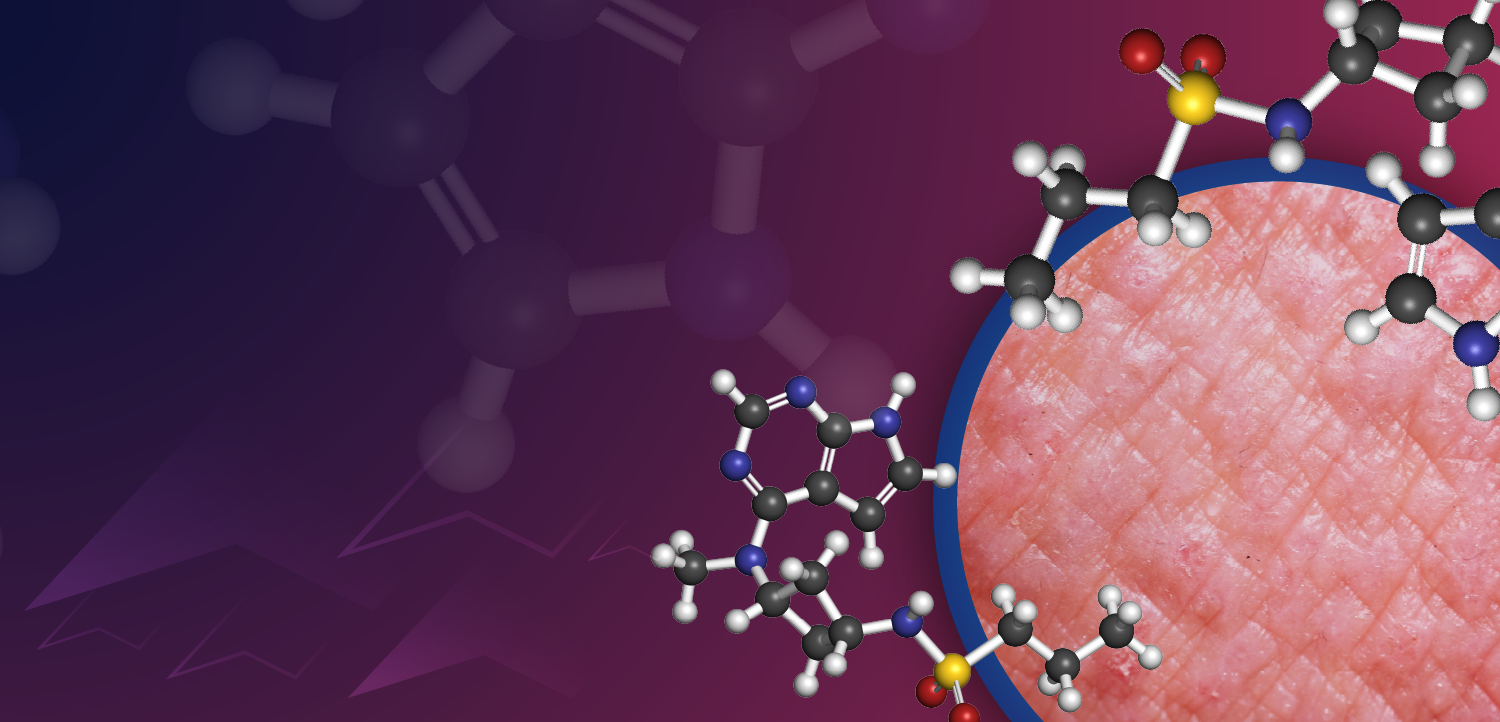
Can you describe the mechanism of action of phosphodiesterase 4 (PDE-4) inhibition, and how increasing intracellular cyclic adenosine monophosphate (cAMP) leads to targeted inflammation control in SD?
Led by Dr. Bunick, Dr. Ungar examined non-steroidal therapies becoming increasingly important in the evolving management of seborrheic dermatitis (SD), particularly for patients who require long-term disease control or have sensitive areas such as the face and intertriginous regions. Unlike corticosteroids, which primarily provide short-term symptom relief, non-steroidal agents aim to modulate the underlying inflammatory pathways driving chronic disease. Phosphodiesterase 4 (PDE-4) inhibitors represent a promising class of non-steroidal therapies for SD. PDE-4 inhibition increases intracellular cyclic adenosine monophosphate (cAMP) levels, which in turn downregulates pro-inflammatory cytokine production, including key mediators in the Th17/Th22 pathways implicated in SD. By targeting these specific inflammatory mechanisms, PDE-4 inhibitors help reduce erythema, scaling, and pruritus while minimizing systemic or local adverse effects associated with long-term steroid use. These agents also support barrier restoration, complementing other therapies that address microbial triggers or keratinocyte turnover. The targeted nature of PDE-4 inhibition allows for safer chronic use, making it a valuable option for maintaining disease control over time. Overall, non-steroidal therapies are shifting the treatment paradigm toward more precise, mechanism-based management of SD.
Throughout the conversation, the experts provide a comprehensive reflection on the field and the factors that may shape how clinicians approach care moving forward.
In the next episode, Comparing Mechanisms and Use of Antifungals and PDE-4 Inhibitors in Seborrheic Dermatitis, panelists will continue their discussion and highlight how antifungal therapies, such as ketoconazole, target Malassezia colonization, whereas PDE-4 inhibitors, like roflumilast, modulate intracellular cAMP to control inflammation. It also highlights how formulation and vehicle characteristics influence efficacy, tolerability, and patient adherence in the clinical management of SD.
Advertisement
Related Content
Advertisement

Latest CME






Advertisement
Advertisement
Trending on Dermatology Times
1
FDA Accepts Addition of Bemotrizinol as First New Sunscreen Ingredient in 20 Years
2
Digital Twins in Dermatology: Your Patient’s Virtual Double Is Coming
3
Once-Daily Zasocitinib Rivals Injectable Biologics for Skin Clearance, Phase 3 Data Show
4
Moving Past Dermal Filler Trends to Focus on Healthy Skin Aging
5